
Best of Eastern Algarve




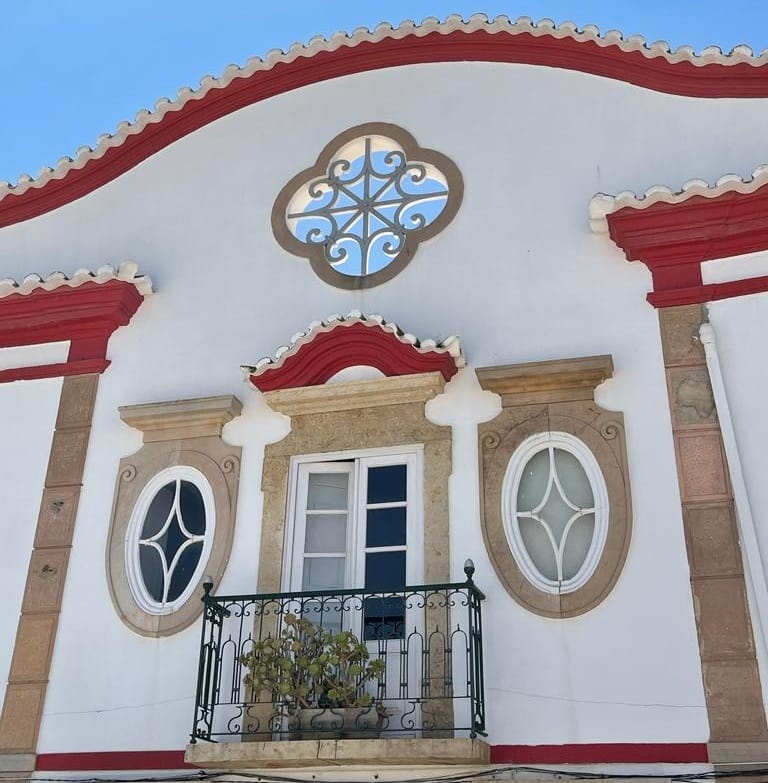
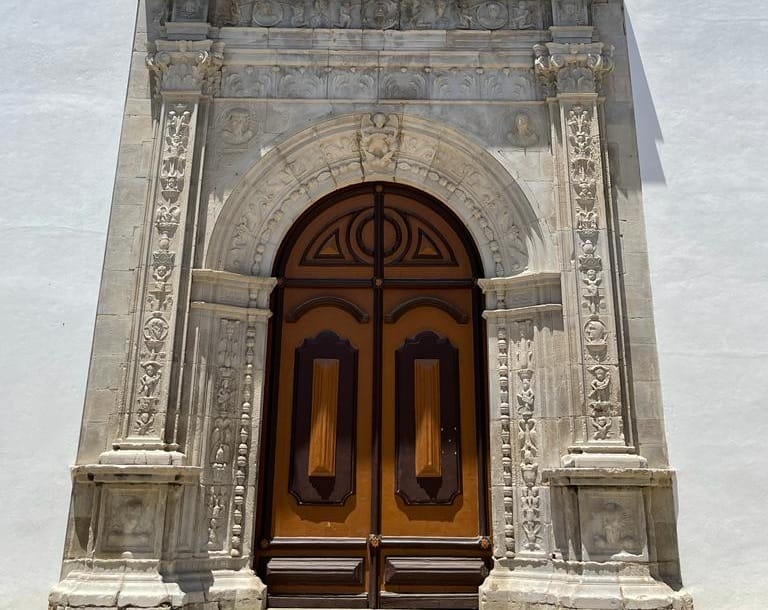

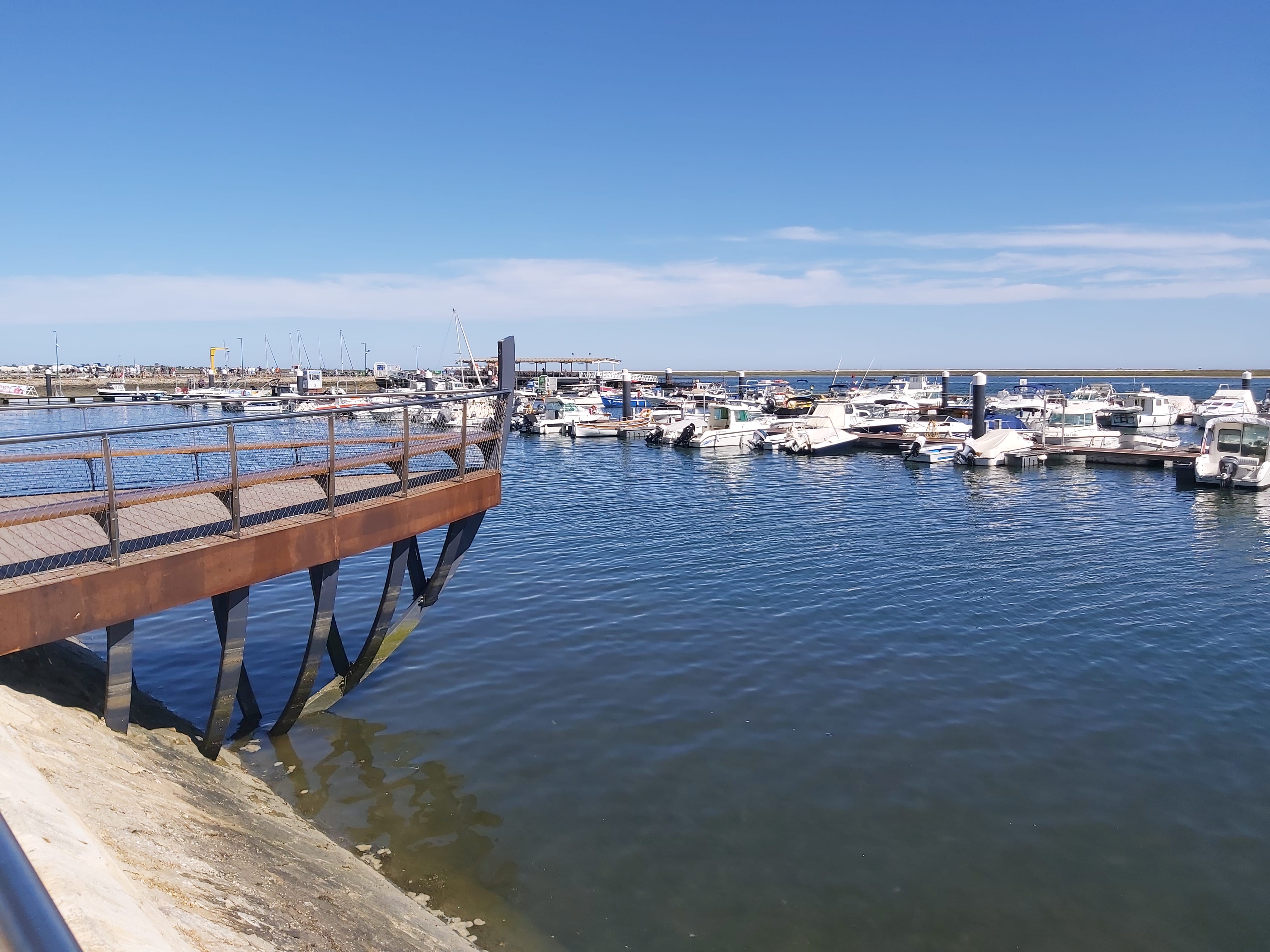
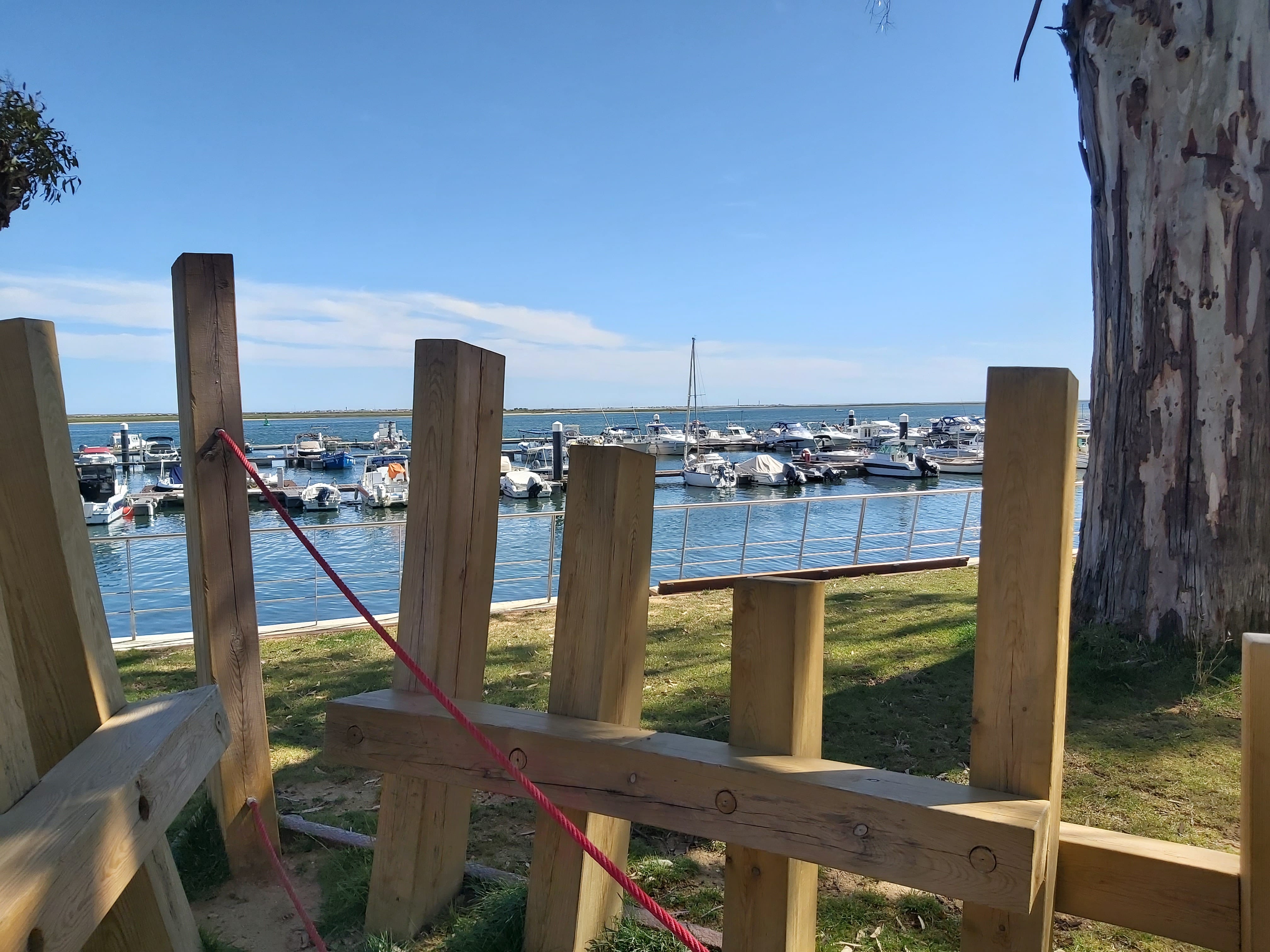
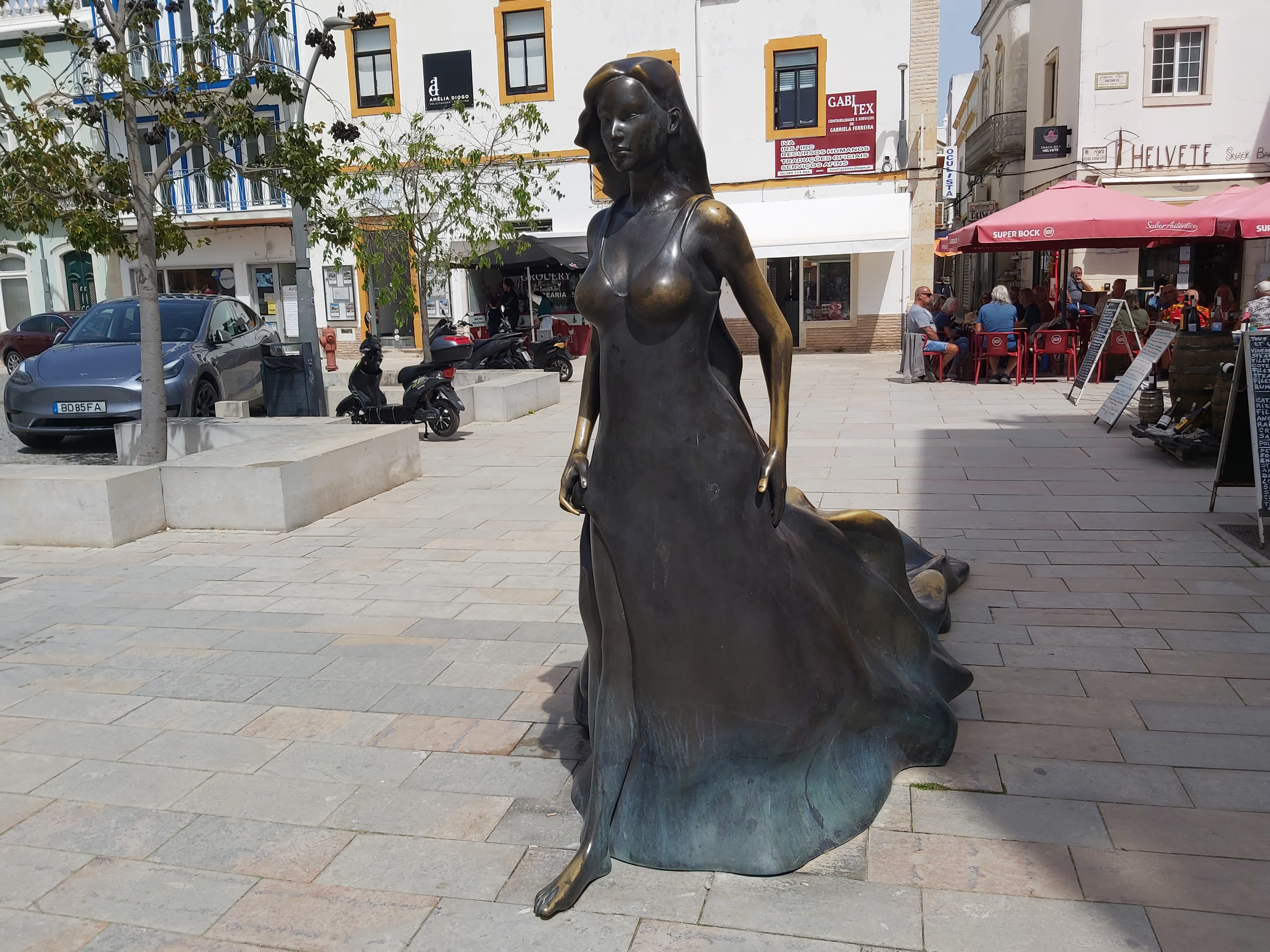
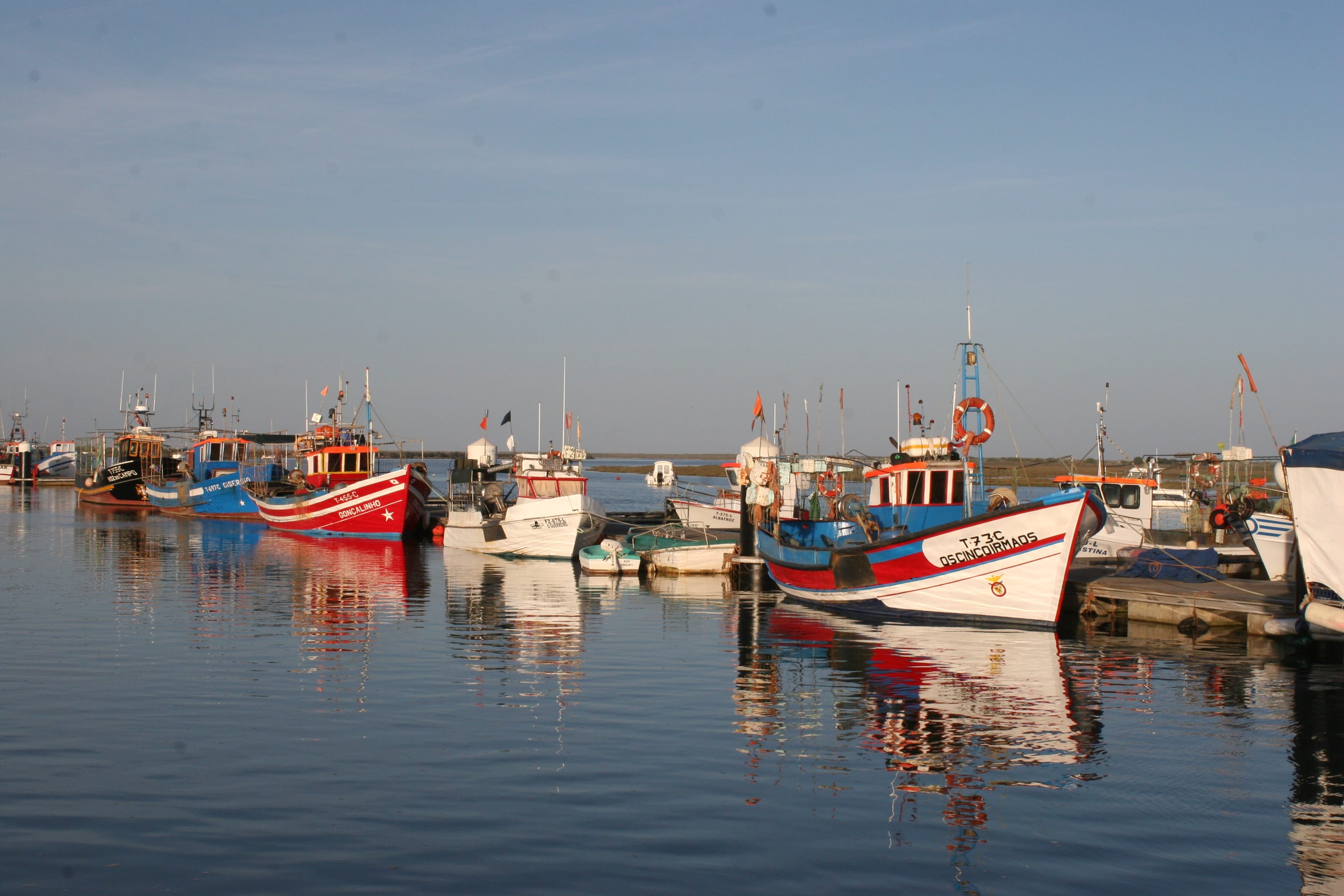
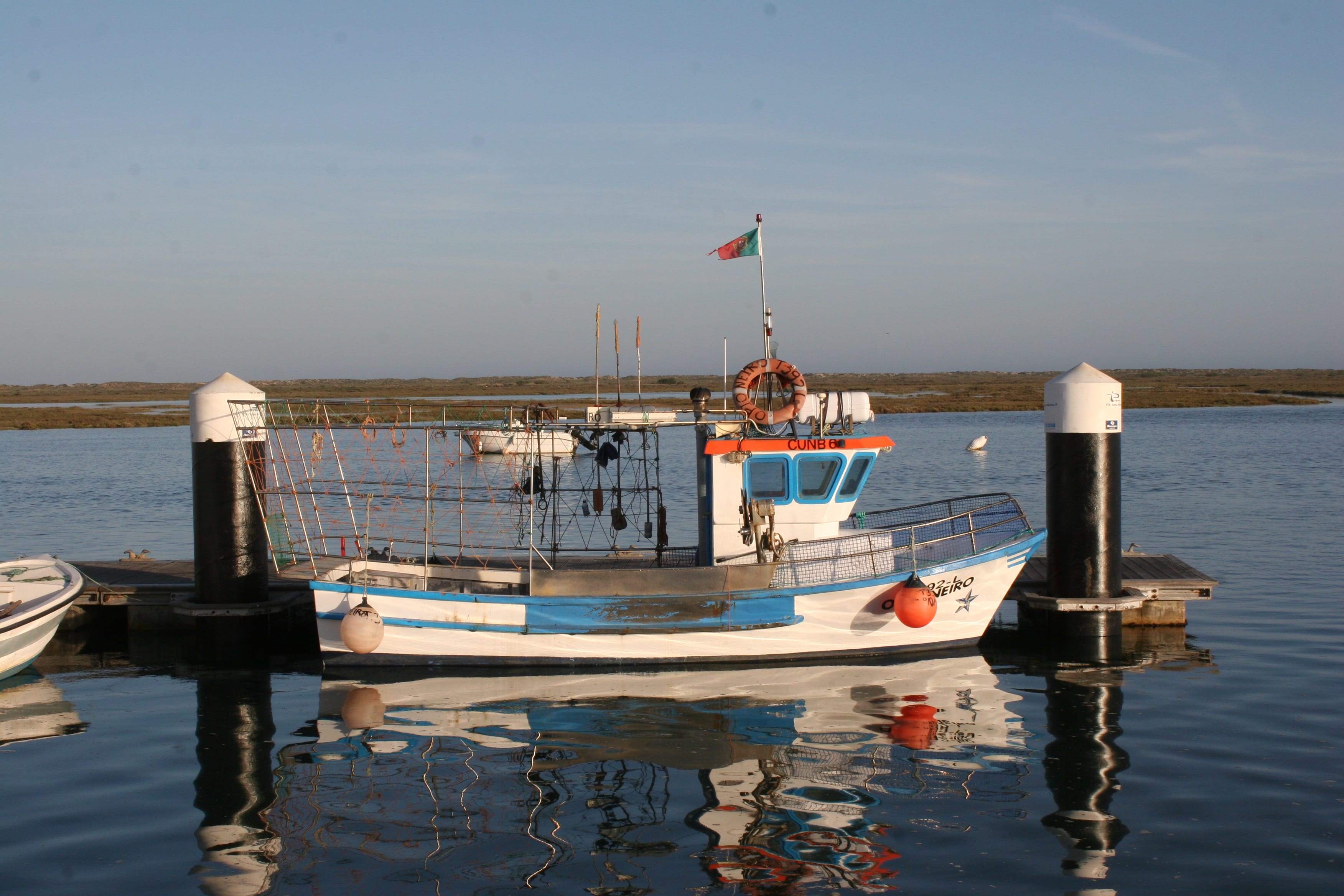
Spectacular stretch of coastline: sandy rather than rocky, quiet instead of crowded, rich in history rather than shaped by mass tourism.
On this journey, you’ll discover that since Roman times the lesser-visited eastern Algarve has been a stage for intense human activity and cultural exchange.
Here, long white beaches feel untouched, and the port towns move at a gentler, unhurried pace.
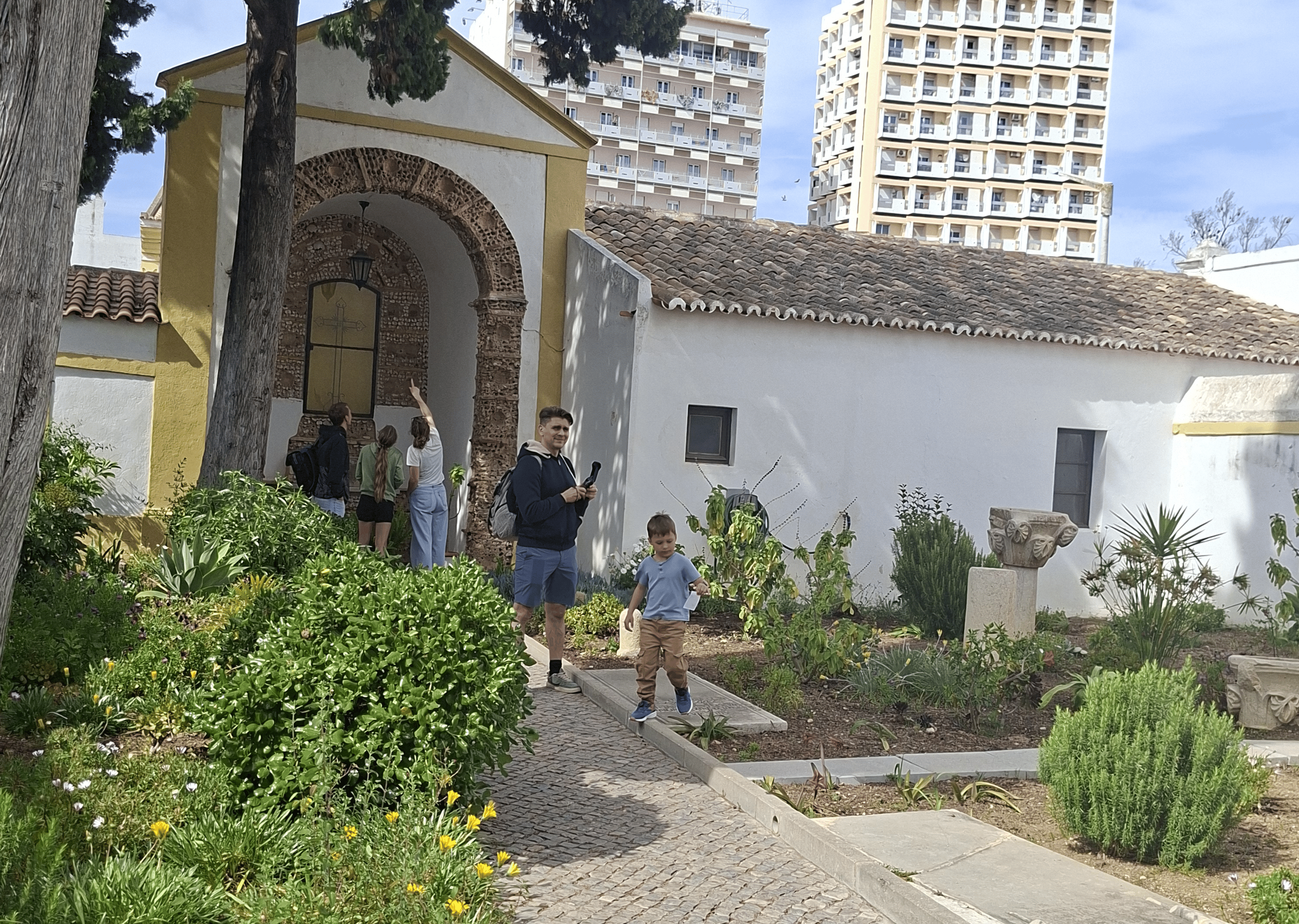
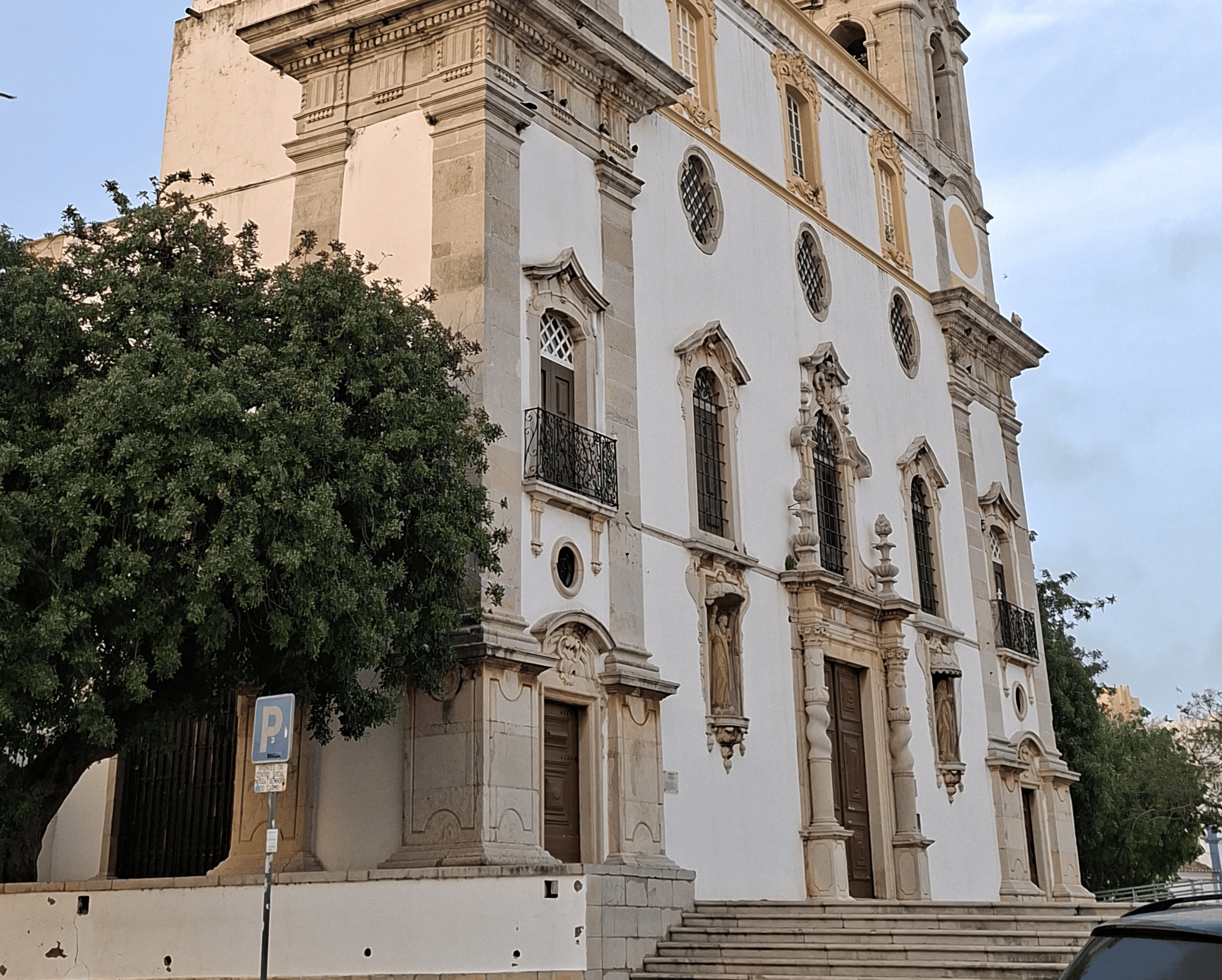
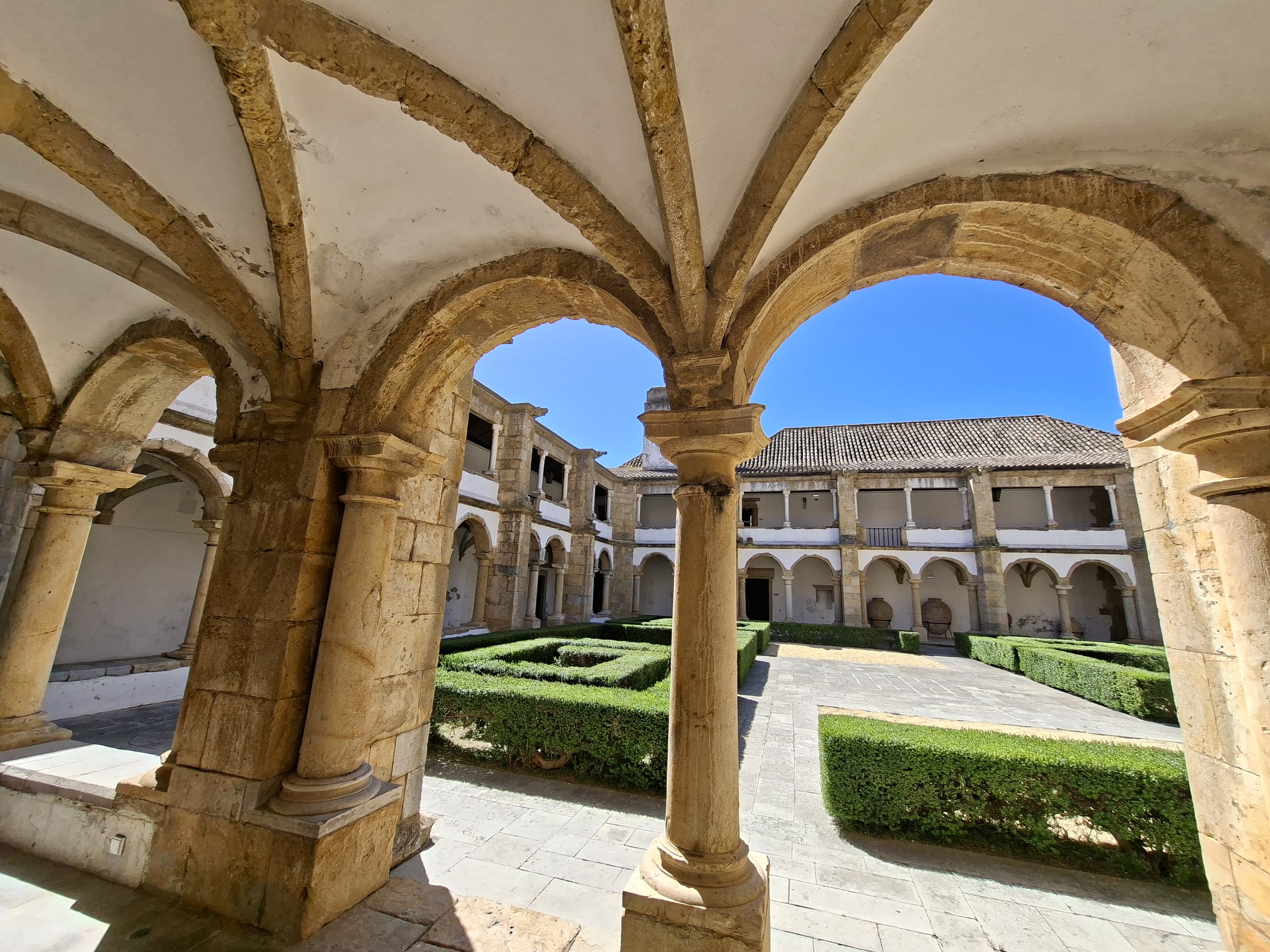
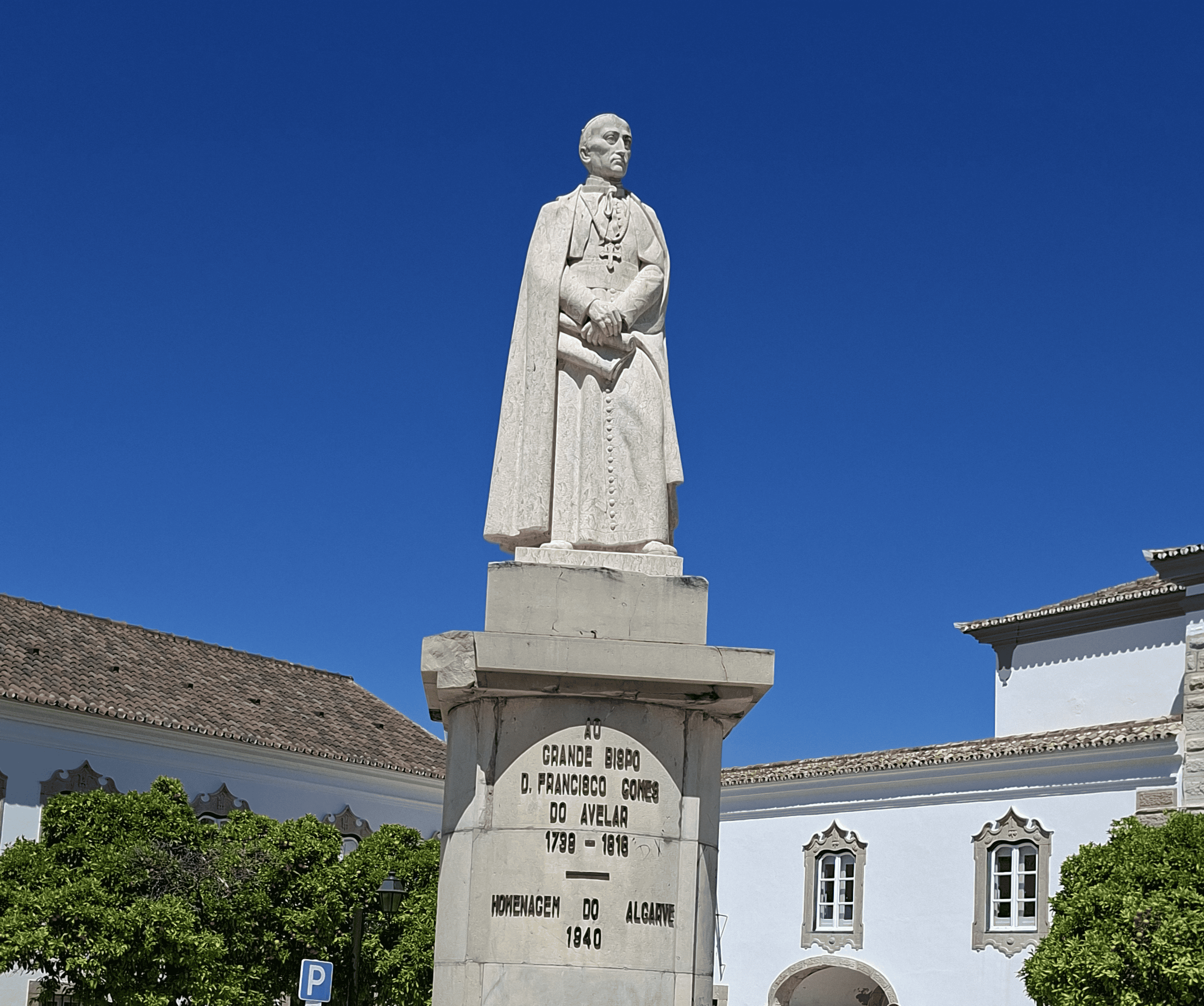
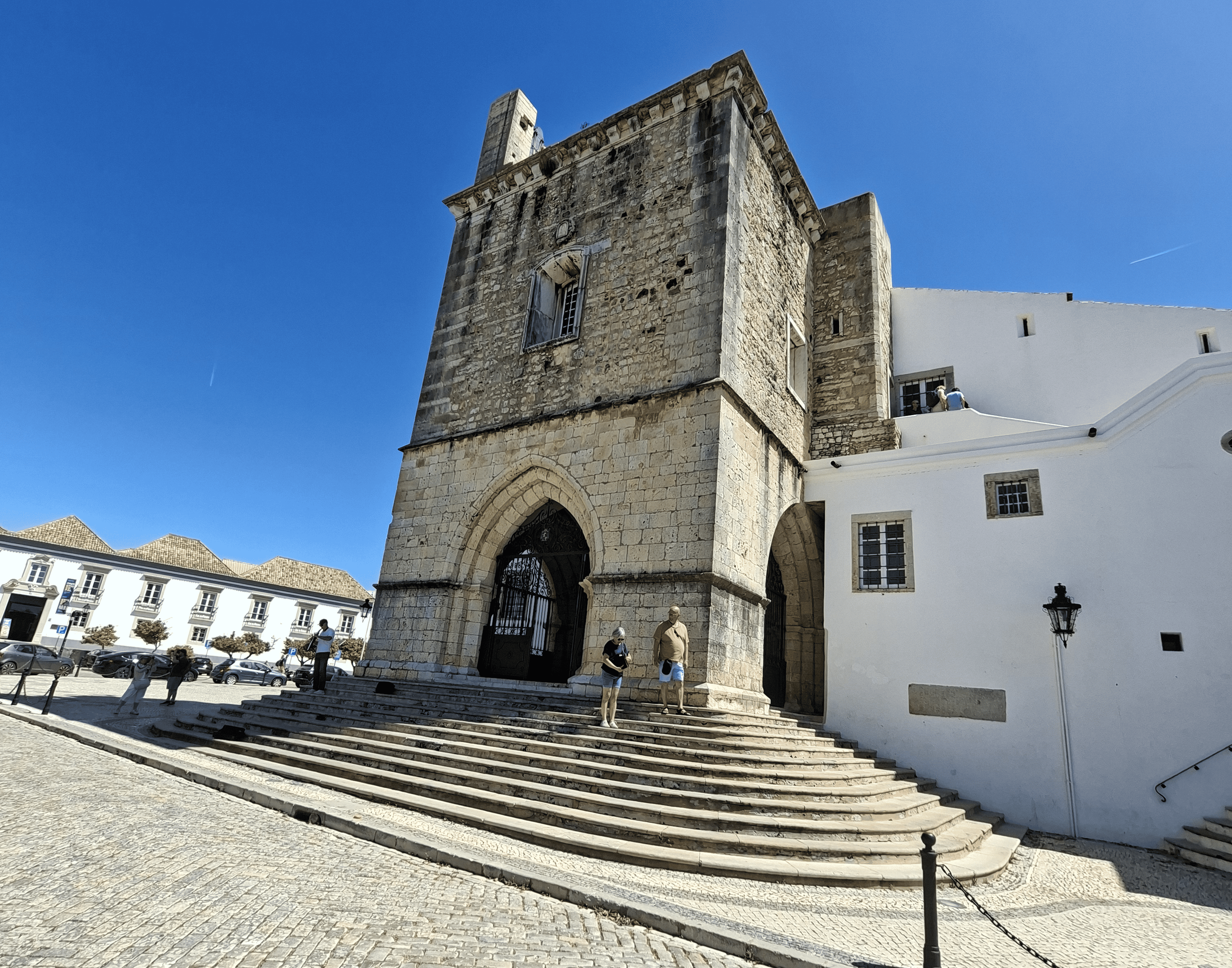
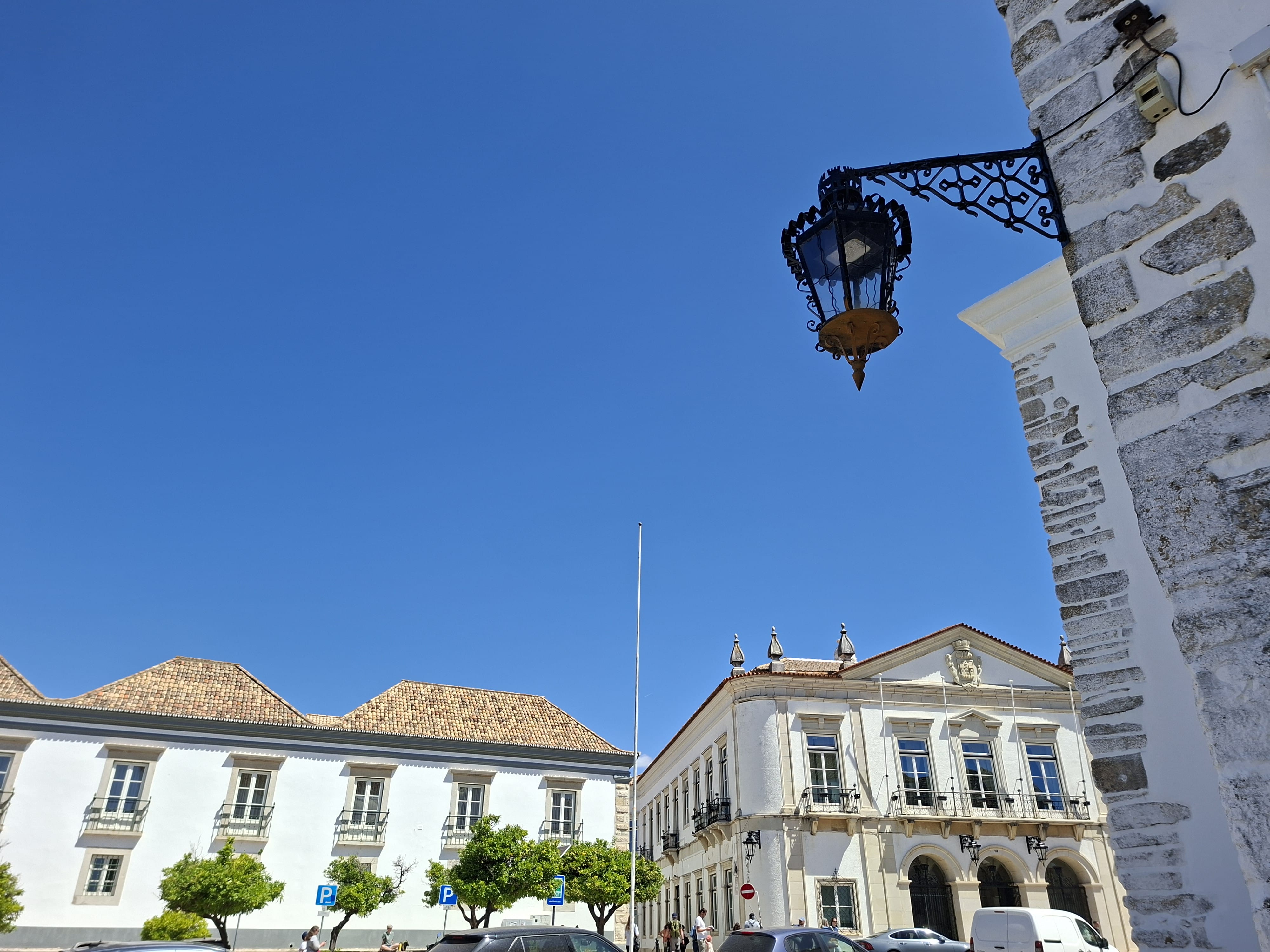
First, we discover Faro, the vibrant capital of the Algarve, where centuries of history blend seamlessly with coastal charm. For generations, maritime trade, salt harvesting, and traditional fishing defined the rhythm of local life, shaping an authentic Old Town enclosed by ancient Moorish walls that date back to the 9th century.
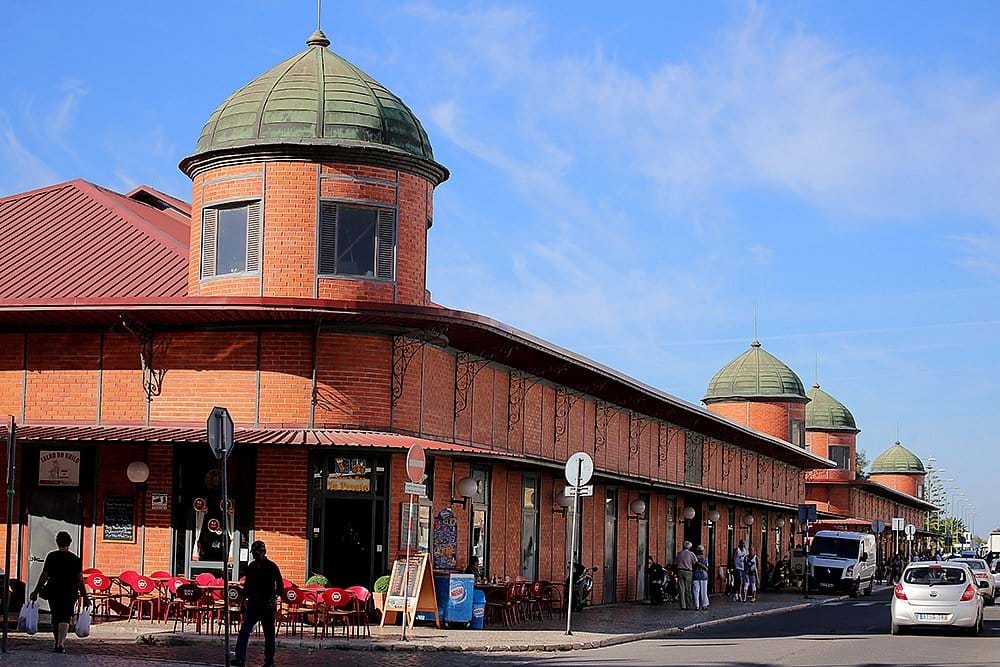
Along the coast we stop in Olhão for a colorful, lively visit to its market and fishermen’s quarter. For generations, tuna and sardine fishing shaped daily life here, giving rise to an important fish-canning industry that flourished in the second half of the 19th century.
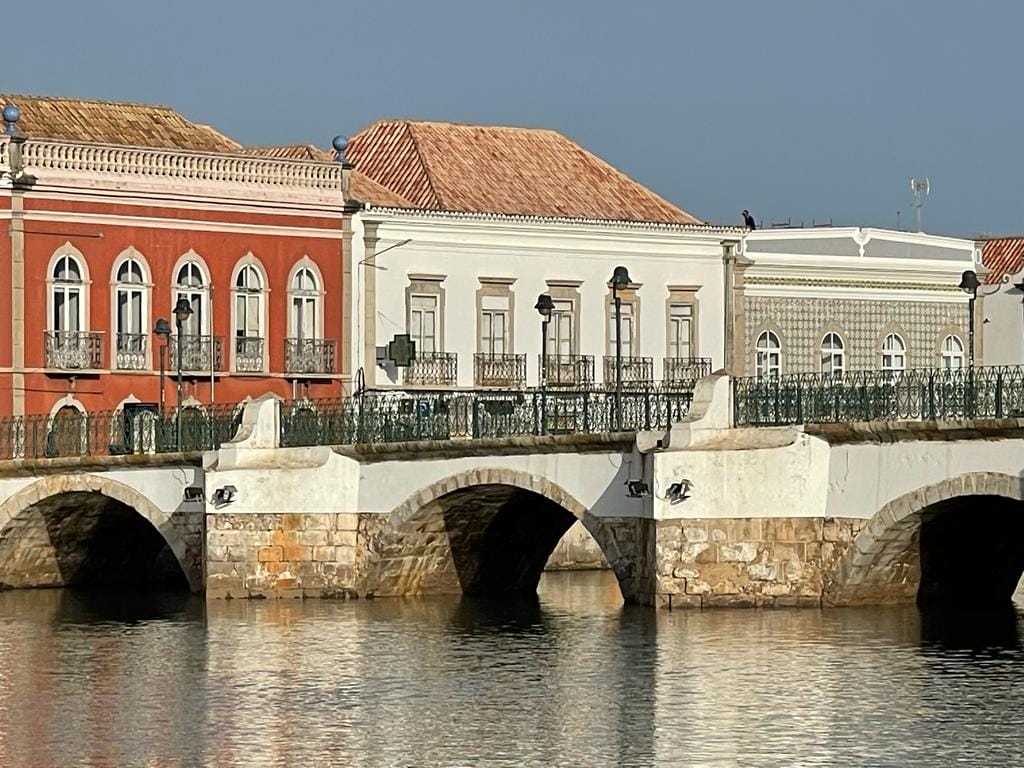
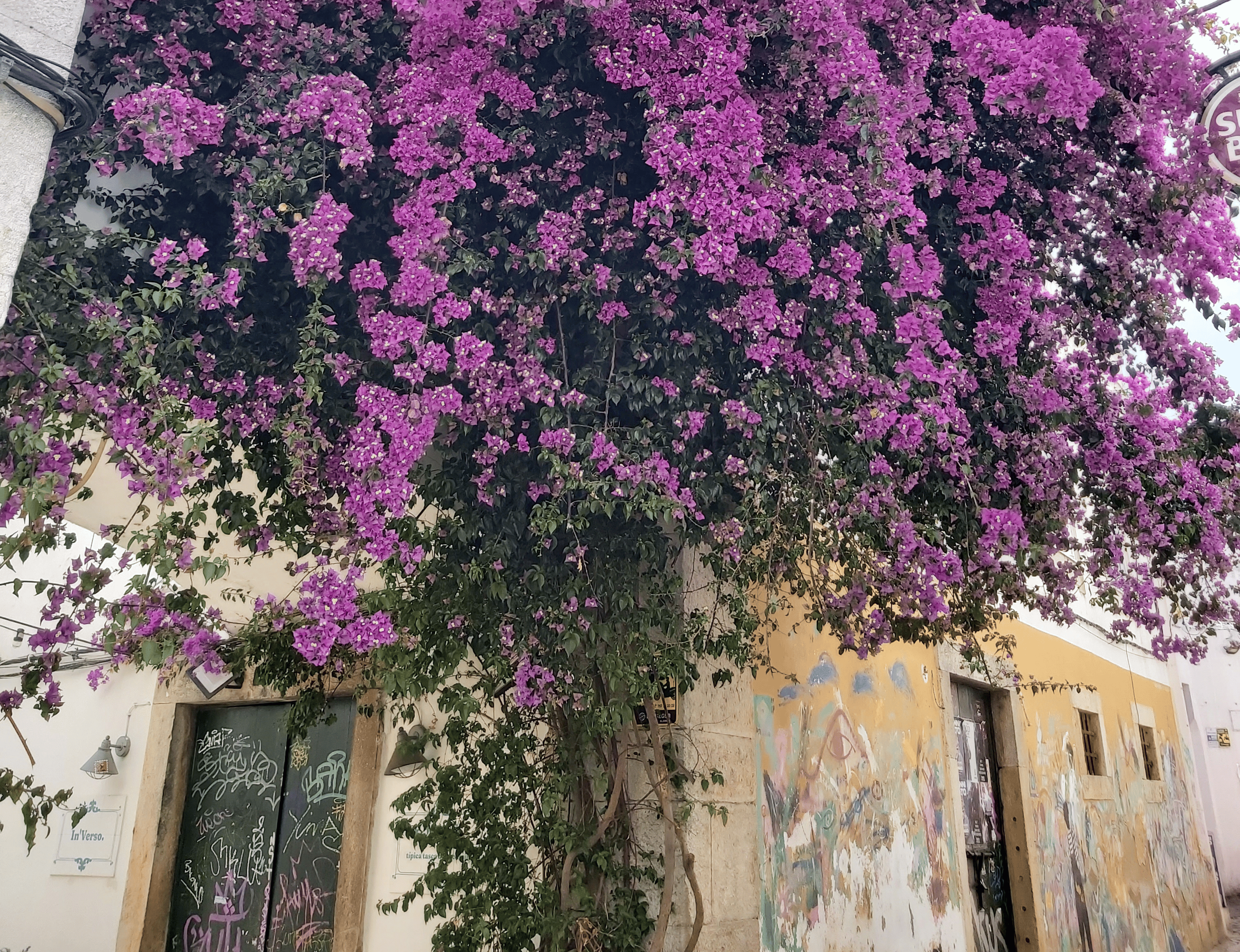
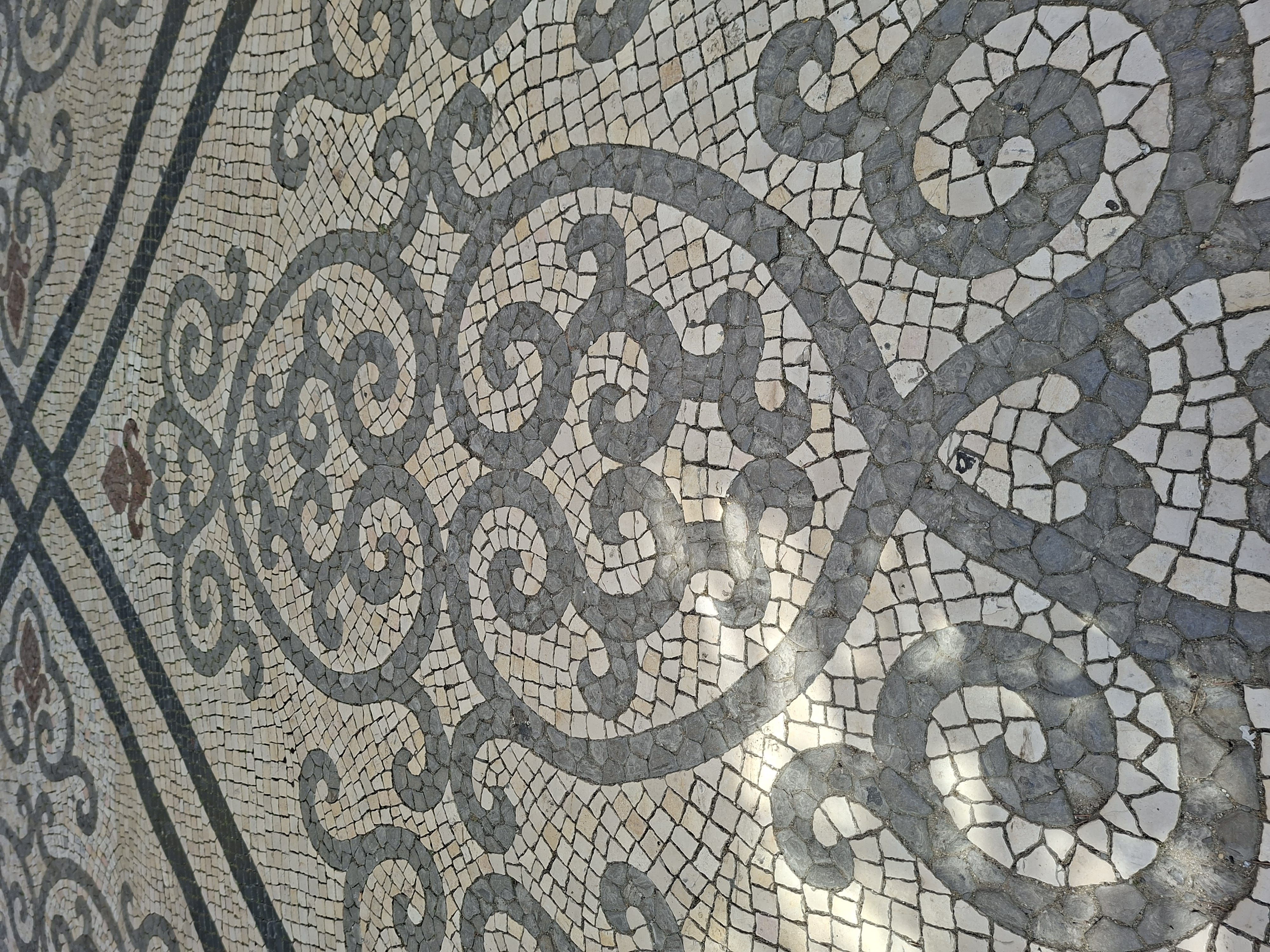
Next comes Tavira, where white, stone-tiled streets - polished smooth by centuries of footsteps - lead through grand avenues and charming church squares. Tavira rose to prominence during the Age of Discoveries, serving as a base for Portuguese expeditions to North Africa, supplying provisions such as salt, wine, and dried fish, as well as hosting a hospital. Nearby lay the Roman settlement of Balsa, close to present-day Santa Luzia, now known as the capital of octopus fishing.
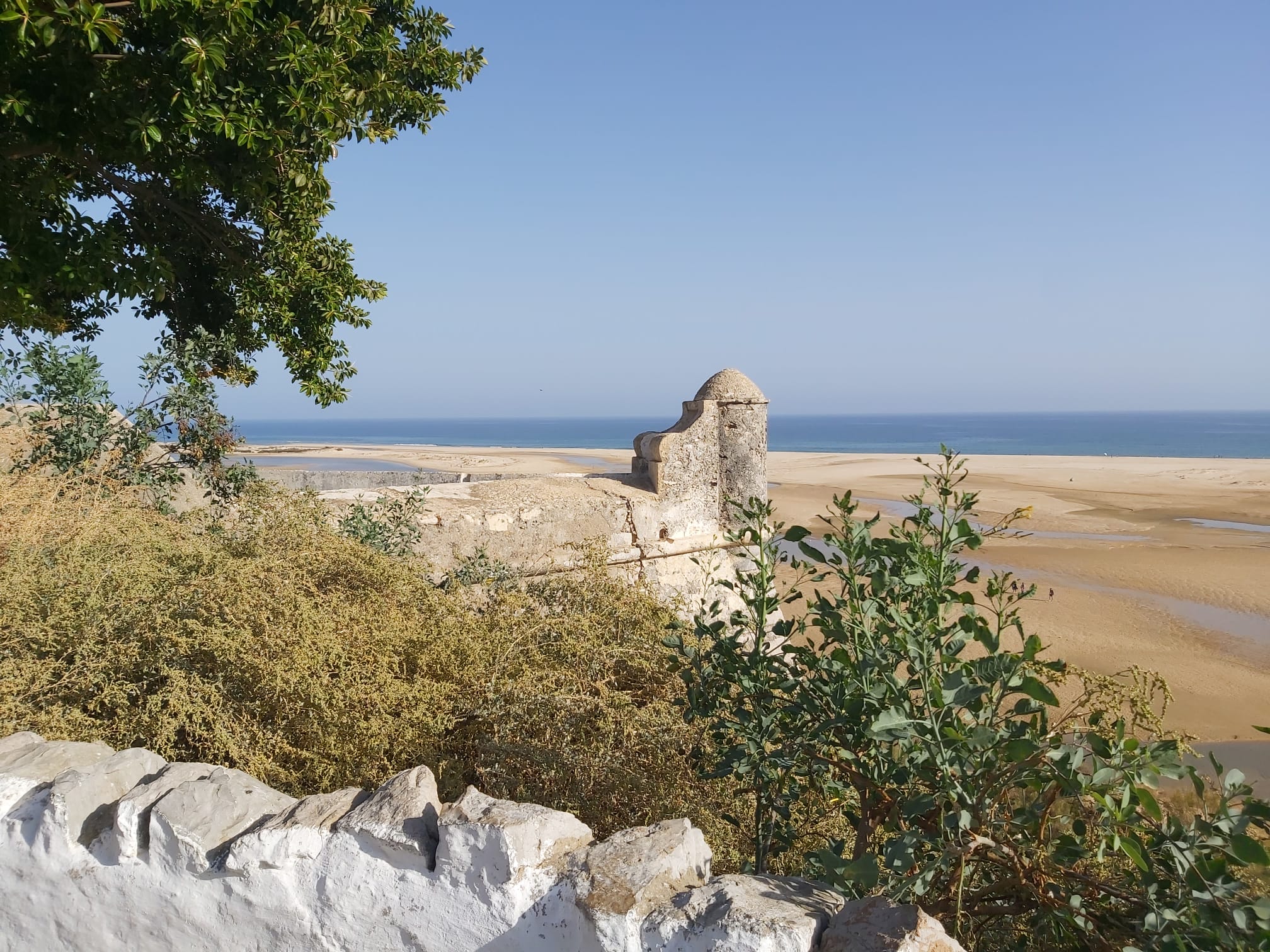
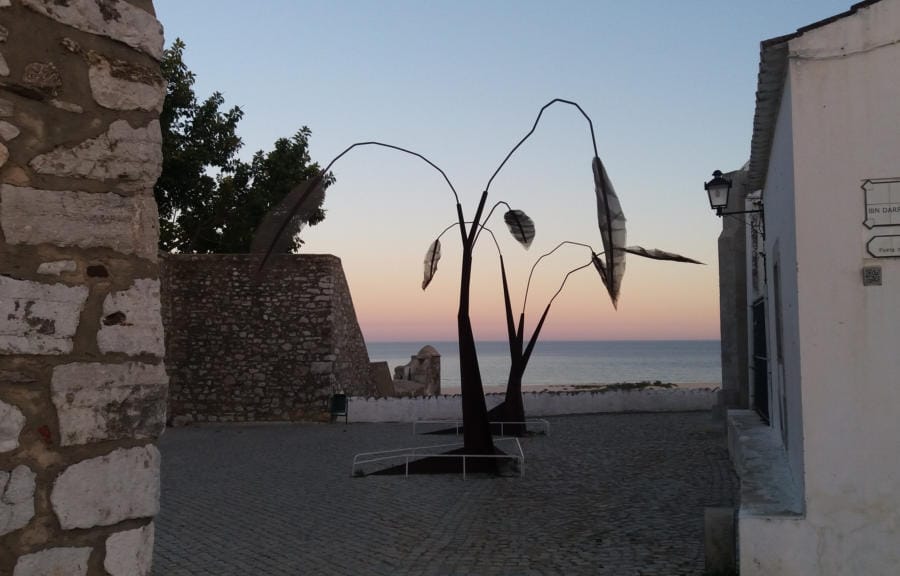
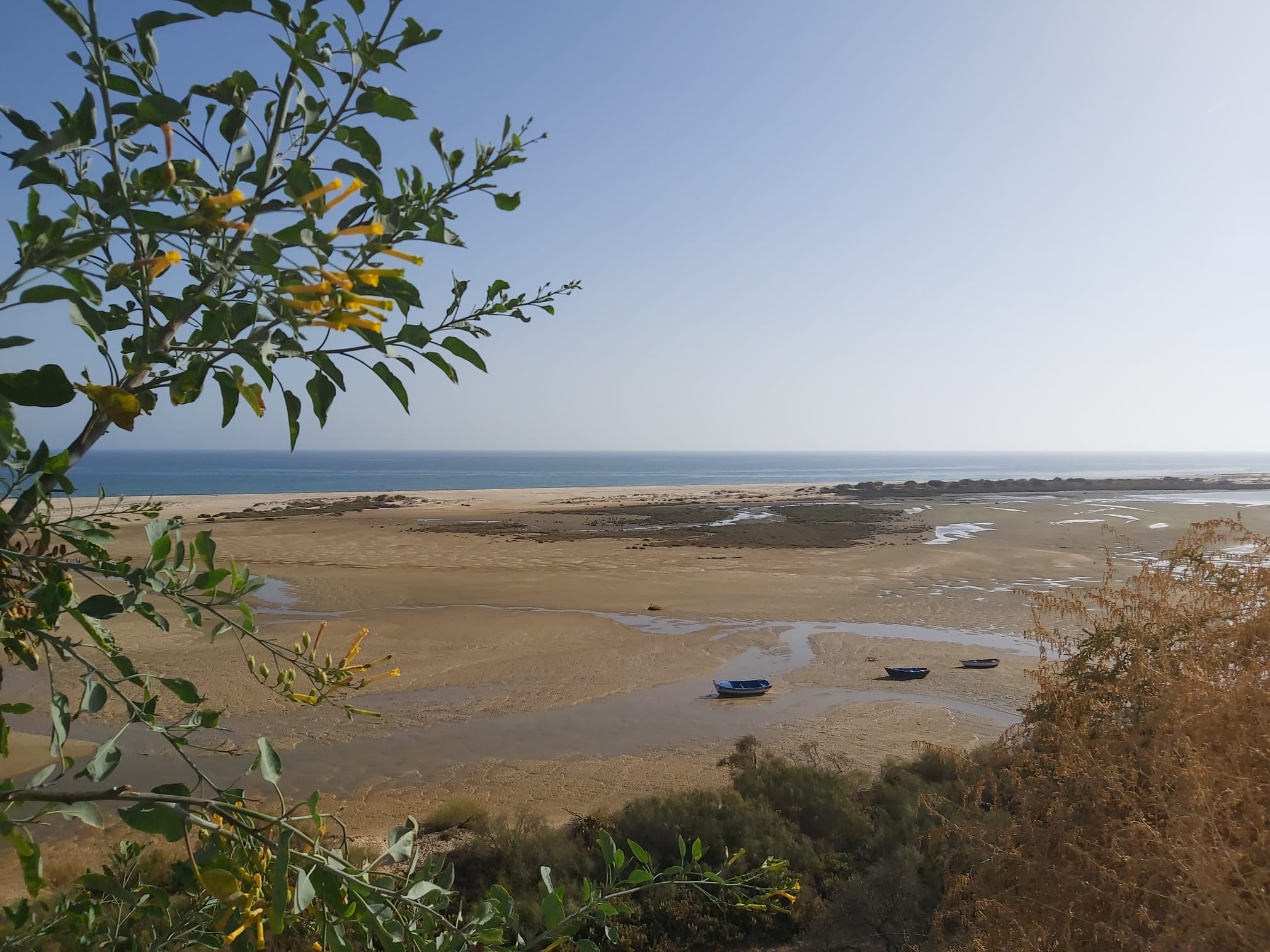
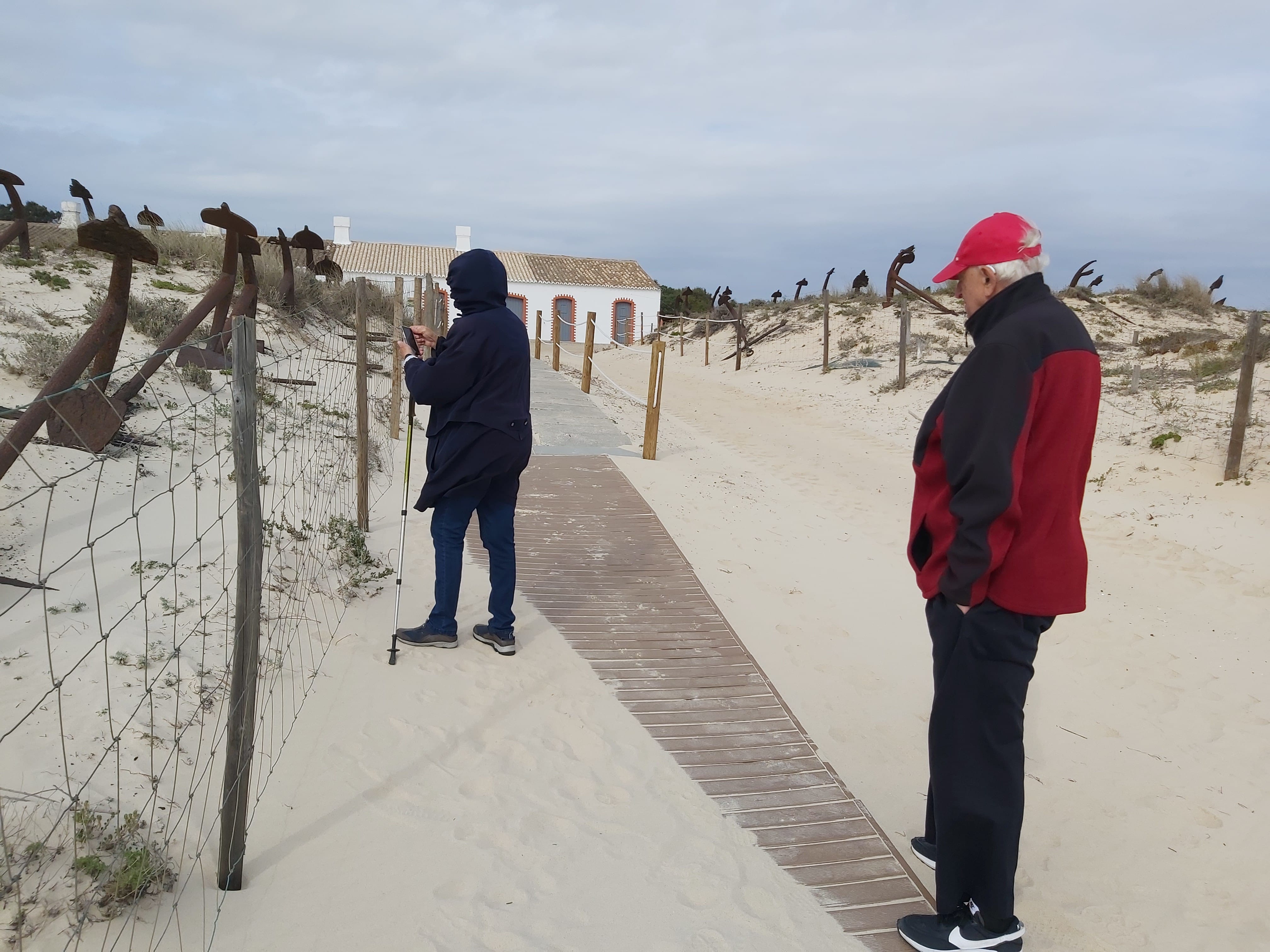
Finally, Cacela. The history of this area reaches back to Greek and Phoenician settlements in the Algarve, while the name Cacela likely dates from the Arabic period of Moorish occupation. Today it marks the easternmost link in the chain of islands and peninsulas of the Ria Formosa, stretching between Manta Rota and Faro, shielding the lagoon from the open sea.